Many consumers are surprised to learn that their debt does not always stay with one company. In fact, debts are often sold and resold multiple times, especially after they go into default.
While this is a common practice in the debt collection industry, it can create serious issues — including duplicate accounts, incorrect balances, and unlawful collection attempts.
How Debt Sales Work
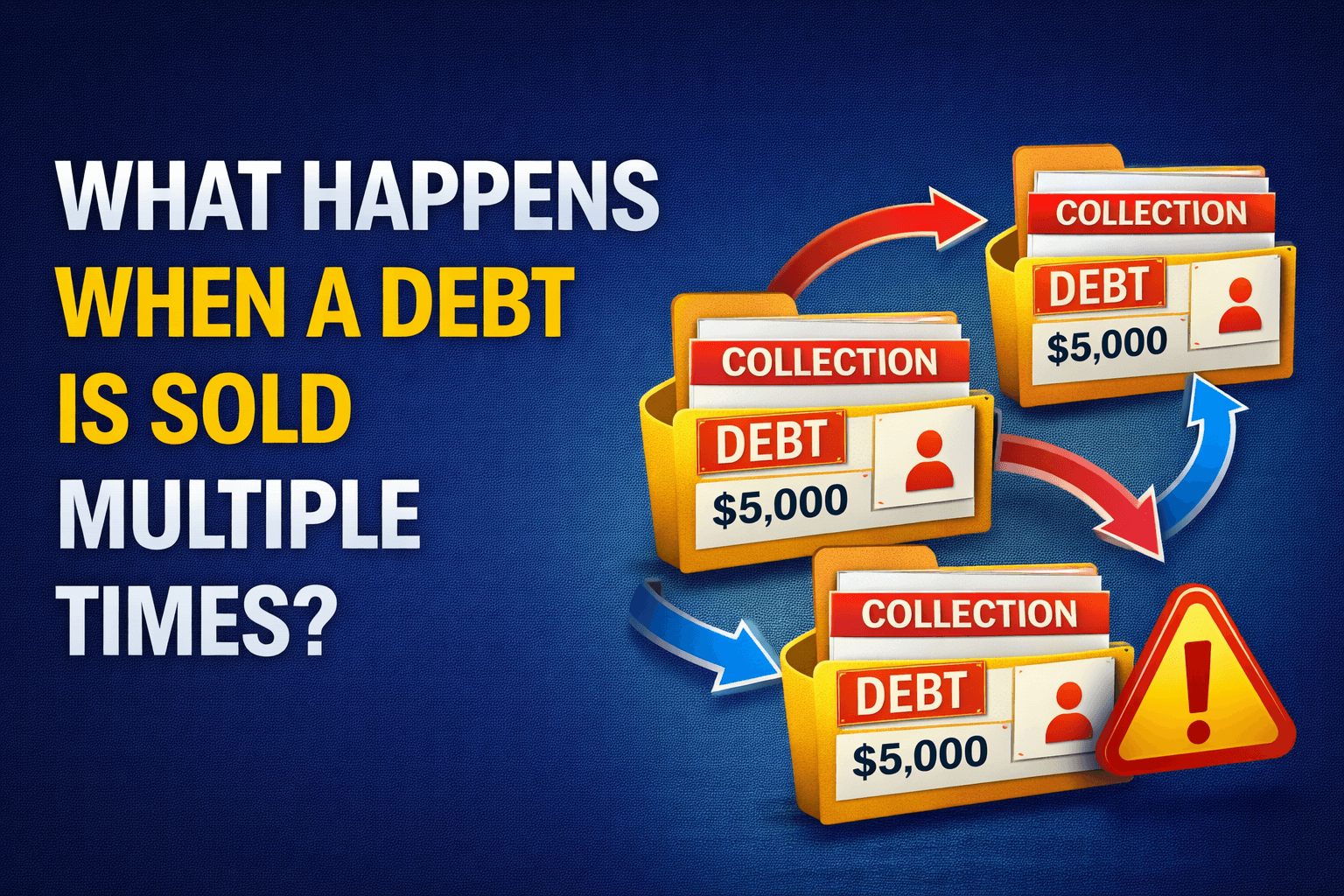
When you fall behind on a debt, the original creditor (such as a bank or lender) may choose to sell that debt to a third-party company known as a debt buyer.
That debt buyer may then:
Attempt to collect the debt
Report the account to credit bureaus
Resell the debt to another company
This process can repeat multiple times, meaning your debt may pass through several different companies over the years.
Why Debt Gets Sold Multiple Times
Debts are bought and sold as financial assets. Each time a debt is sold:
The new company typically pays a fraction of the original balance
The seller removes the account from its books
The buyer hopes to collect more than it paid
Because older debts are harder to collect, they are often resold at lower and lower prices.
Common Problems Caused by Multiple Debt Sales
When a debt changes hands multiple times, errors become more likely. Some of the most common issues include:
1. Duplicate Accounts on Your Credit Report
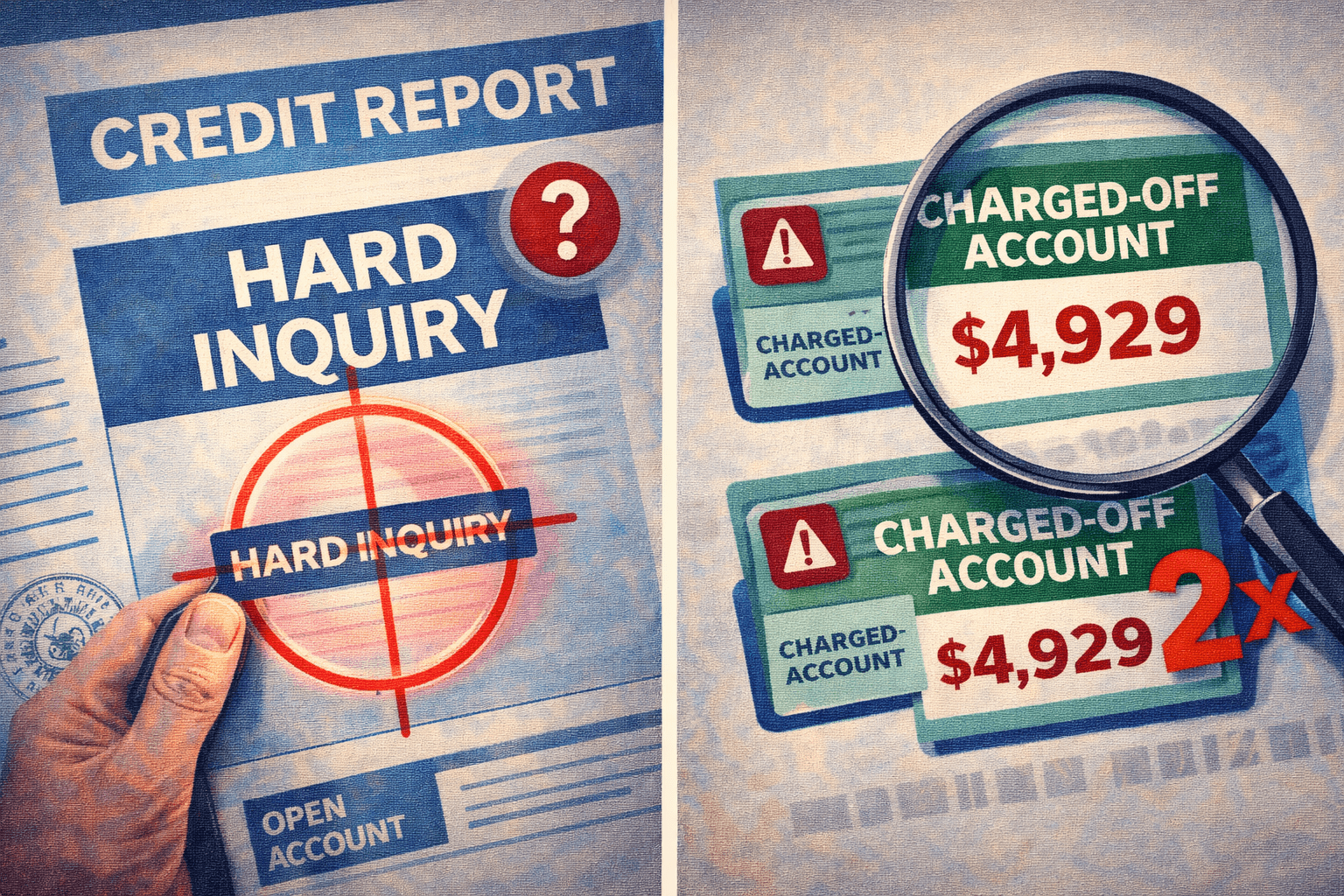
You may see the same debt reported by multiple companies, making it appear as though you owe more than you actually do.
2. Incorrect Balances
As debt is transferred, interest and fees may be added or miscalculated, leading to inflated balances.
3. Multiple Collection Attempts
Different companies may contact you about the same debt, sometimes at the same time, creating confusion about who actually owns the account.
4. Lack of Proper Documentation
Each time a debt is sold, records can be lost or incomplete. A debt buyer may attempt to collect without having sufficient proof that:
You owe the debt
The amount is accurate
They legally own the account
Your Rights Under the Law
Under the Fair Debt Collection Practices Act (FDCPA) and the Fair Credit Reporting Act (FCRA), debt collectors must:
Provide validation of the debt upon request
Accurately report information to credit bureaus
Conduct reasonable investigations of disputes
Avoid misleading or deceptive practices
If a company cannot prove ownership of the debt or reports inaccurate information, it may be violating federal law.
What You Should Do If This Happens
If you believe a debt has been sold multiple times and is being reported incorrectly:
1. Request Debt Validation
Ask the collector to provide documentation proving:
They own the debt
The amount is correct
2. Check Your Credit Report Carefully
Look for:
Duplicate accounts
Inconsistent balances
Multiple collectors reporting the same debt
3. Dispute Inaccurate Information
Submit disputes with the credit bureaus if:
The debt is duplicated
The balance is incorrect
The account does not belong to you
4. Keep Records of All Communications
Document letters, calls, and responses in case the issue escalates.
When It Becomes a Legal Issue
If a debt collector:
Reports duplicate accounts
Fails to validate the debt
Continues collecting without proper documentation
Reports inaccurate balances
you may have claims under the FDCPA and FCRA.
Bottom Line
When a debt is sold multiple times, errors and confusion are common. What may seem like one debt can quickly turn into multiple reporting issues that damage your credit and expose you to repeated collection attempts.
If you are dealing with duplicate accounts, inaccurate balances, or collectors who cannot properly validate a debt, contact The Credit Attorney to review your situation and protect your rights