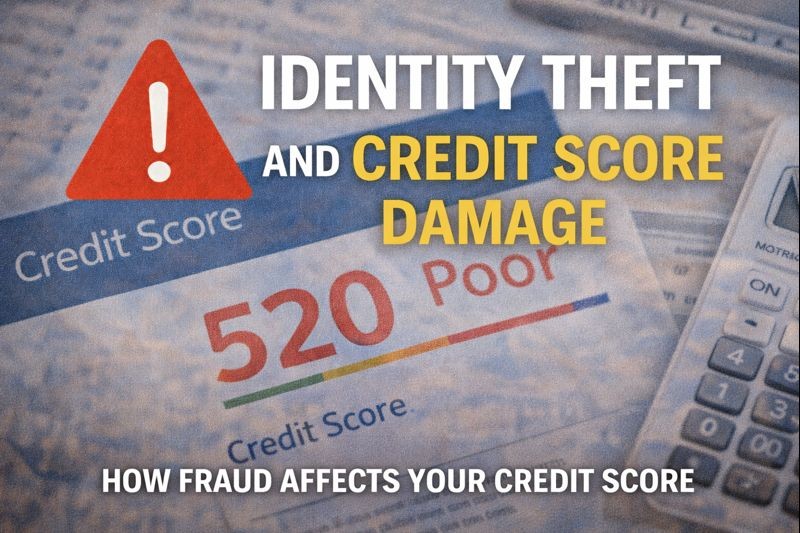
Identity theft does more than drain bank accounts — it can severely damage your credit score. Many consumers only realize their identity has been stolen after seeing a sudden drop in their credit score, loan denials, or collection notices for debts they never owed.
If your credit score dropped because of identity theft, you are not alone. Credit damage is one of the most common and long-lasting consequences of fraud, especially when banks and credit bureaus fail to act correctly.
How Identity Theft Damages Your Credit Score
Identity theft affects your credit in several ways, often at the same time. Fraudsters may open accounts, miss payments, or run up balances — all of which directly harm your credit profile.
Common ways identity theft damages credit include:
Credit cards opened without your permission
Loans taken out in your name
Missed or late payments on fraudulent accounts
High balances increasing credit utilization
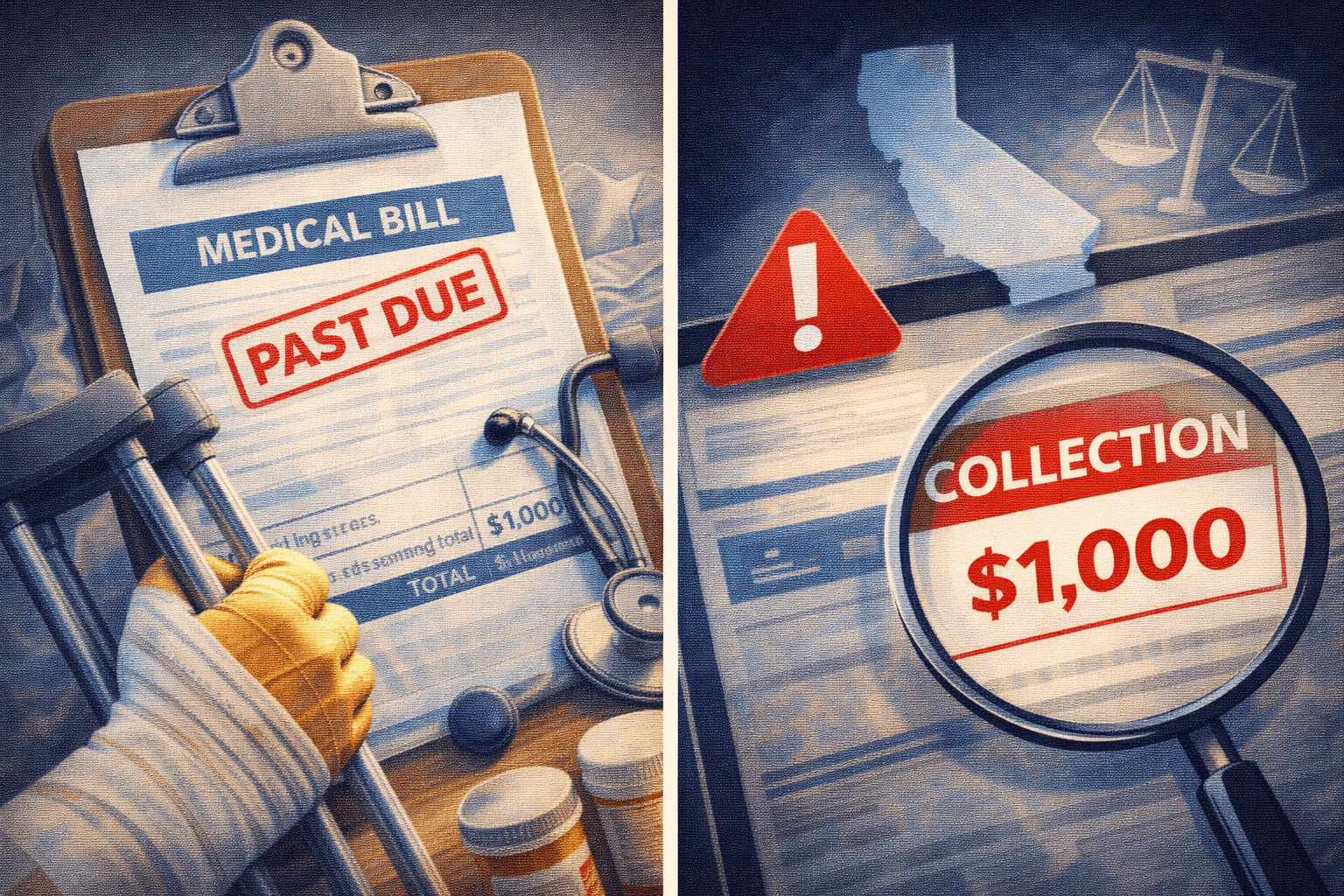
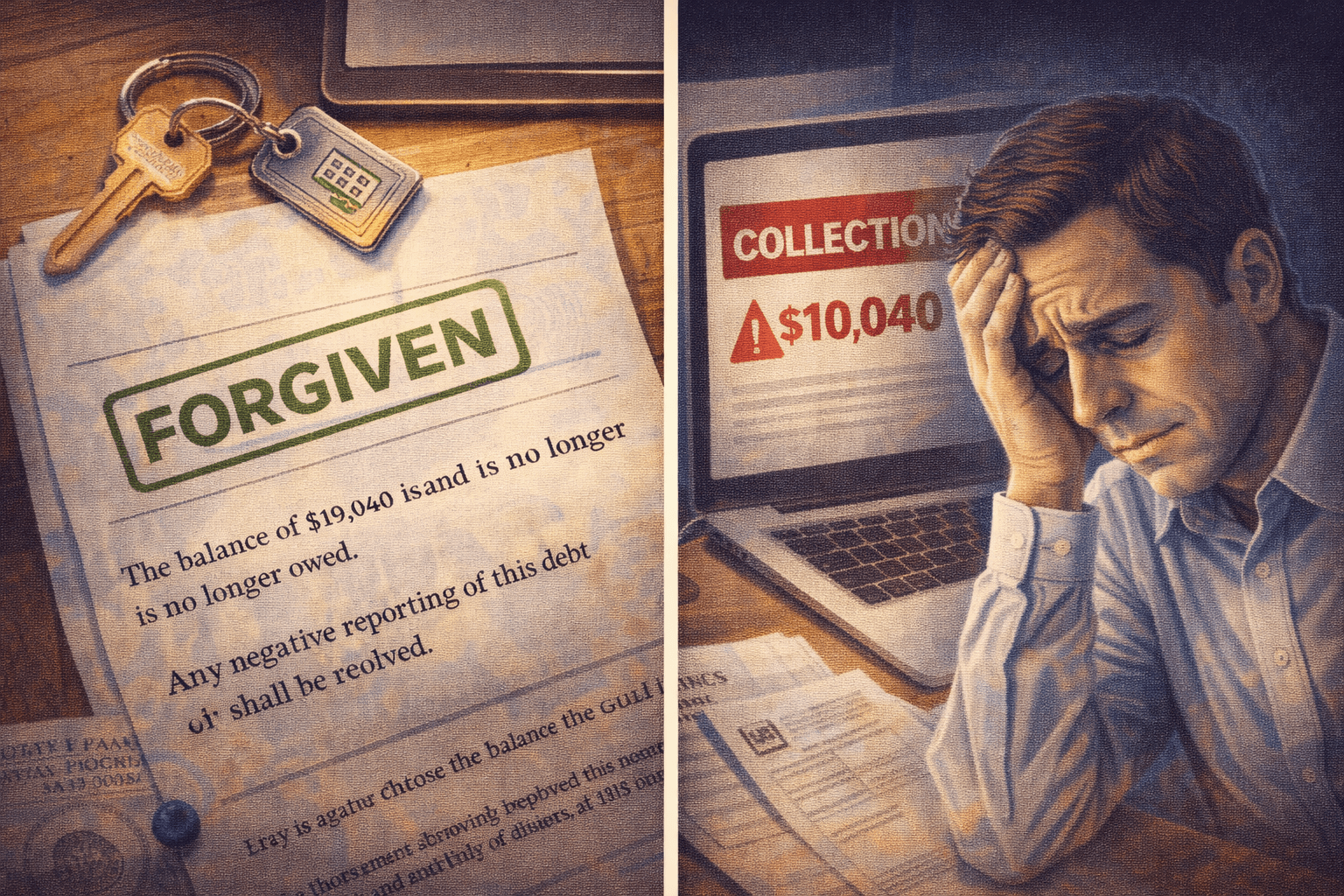
Collections placed on accounts you never opened
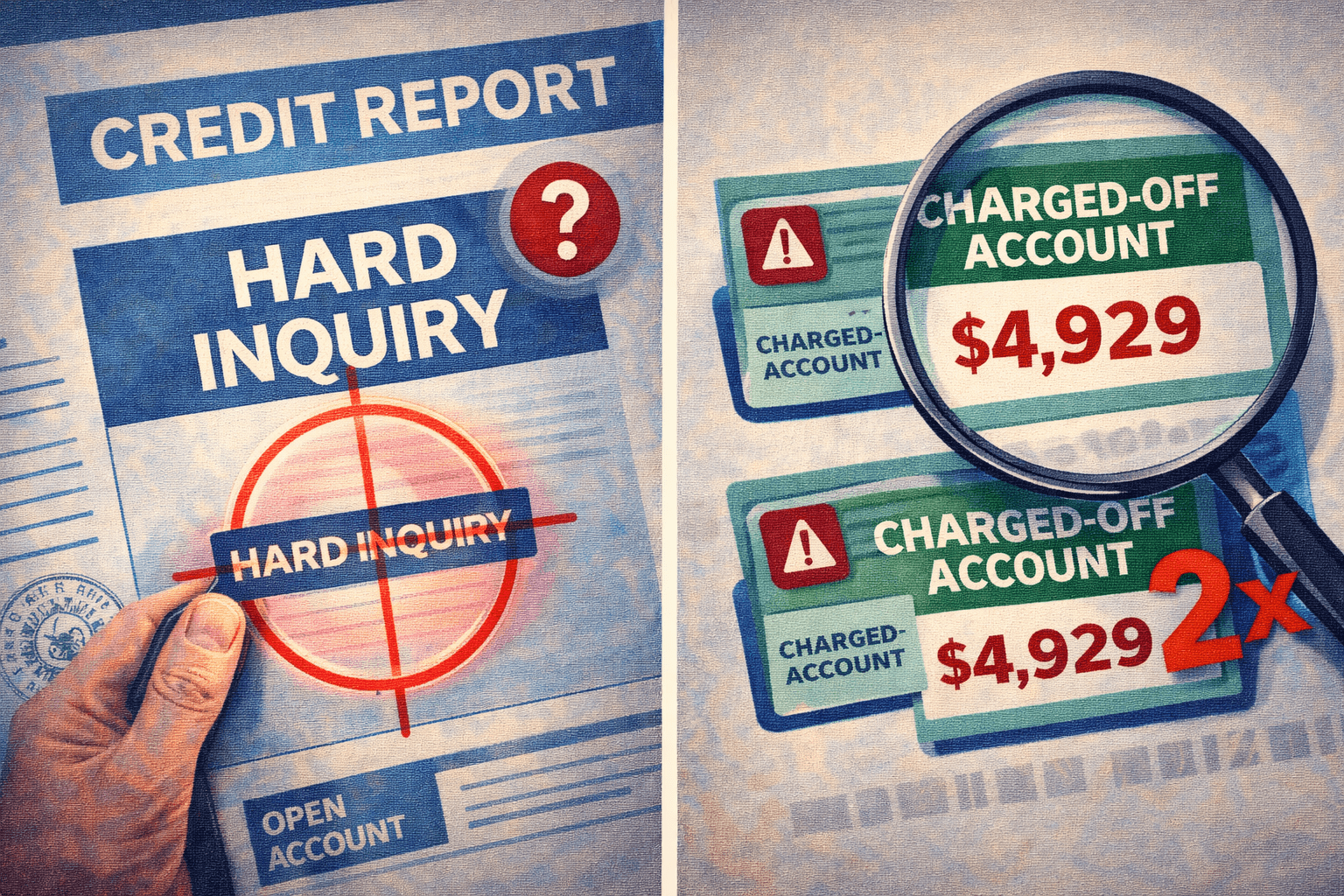
Charge-offs reported as unpaid debt
Unauthorized hard inquiries
Even one fraudulent account can cause a major credit score drop.
How Much Can Identity Theft Lower Your Credit Score?
There is no fixed number, but identity theft can cause credit score drops ranging from 50 to over 200 points, depending on:
Your starting credit score
The number of fraudulent accounts
Whether payments were missed
How long the fraud went uncorrected
Whether collections or charge-offs were added
Consumers with good or excellent credit often experience larger point drops because they have more to lose.
Why Credit Damage From Identity Theft Often Gets Worse Over Time
Identity theft credit damage rarely stops on its own. In many cases, it gets worse because:
Fraudulent accounts continue reporting monthly
Late payments accumulate
Accounts are sent to collections
Credit bureaus “verify” fraudulent accounts incorrectly
Banks fail to remove inaccurate reporting
Without intervention, identity theft can keep damaging your credit month after month.
What Credit Bureaus and Banks Are Required to Do
When identity theft affects your credit report, the Fair Credit Reporting Act (FCRA) applies.
Under the FCRA, credit bureaus and furnishers (banks, lenders, debt collectors) must:
Conduct a reasonable investigation of disputes
Review evidence you submit
Remove inaccurate or fraudulent accounts
Stop reporting information that cannot be verified
Correct errors promptly
A credit bureau cannot legally keep reporting fraud simply because a bank claims the account is valid without proper investigation.
Common Credit Bureau Mistakes in Identity Theft Cases
Many consumers are shocked to learn how often credit bureaus get identity theft cases wrong. Common problems include:
Disputes marked “verified” without real review
Ignoring identity theft affidavits
Relying solely on automated systems
Refusing to remove fraudulent accounts
Continuing to report debts that are not yours
These failures may violate federal law.
Steps to Repair Credit Damage Caused by Identity Theft
If identity theft damaged your credit, take these steps immediately:
File an identity theft report at IdentityTheft.gov
Place a fraud alert or credit freeze
Obtain all three credit reports
Identify every fraudulent account and inquiry
Dispute errors in writing with credit bureaus
Dispute directly with the bank or lender
Monitor reports for ongoing reporting
Documentation is critical. Keep copies of everything.
How Long Does It Take to Fix Credit After Identity Theft?
The timeline varies. Some cases resolve in a few months, while others take longer — especially when banks or credit bureaus resist correcting errors.
Delays often occur when:
Investigations are rushed or superficial
Disputes are ignored or mishandled
Fraud continues reporting during disputes
Multiple entities are involved
Legal intervention can significantly speed up resolution.
When Credit Damage From Identity Theft Becomes a Legal Issue
Credit damage becomes a legal issue when:
Fraudulent accounts remain after disputes
Credit bureaus fail to investigate properly
Banks continue reporting known fraud
Identity theft affidavits are ignored
Credit score damage causes real financial harm
Under the FCRA, consumers may be entitled to damages, correction of credit reports, and attorney’s fees.
Final Thoughts: Credit Damage From Identity Theft Is Fixable
Identity theft can feel overwhelming — especially when your credit score is affected. But credit damage caused by fraud is not permanent, and you have strong legal protections.
If banks or credit bureaus refuse to fix identity theft credit damage, The Credit Attorney helps consumers dispute fraudulent accounts, restore credit scores, and hold companies accountable when they violate federal law.