One of the most common questions identity theft victims ask is:
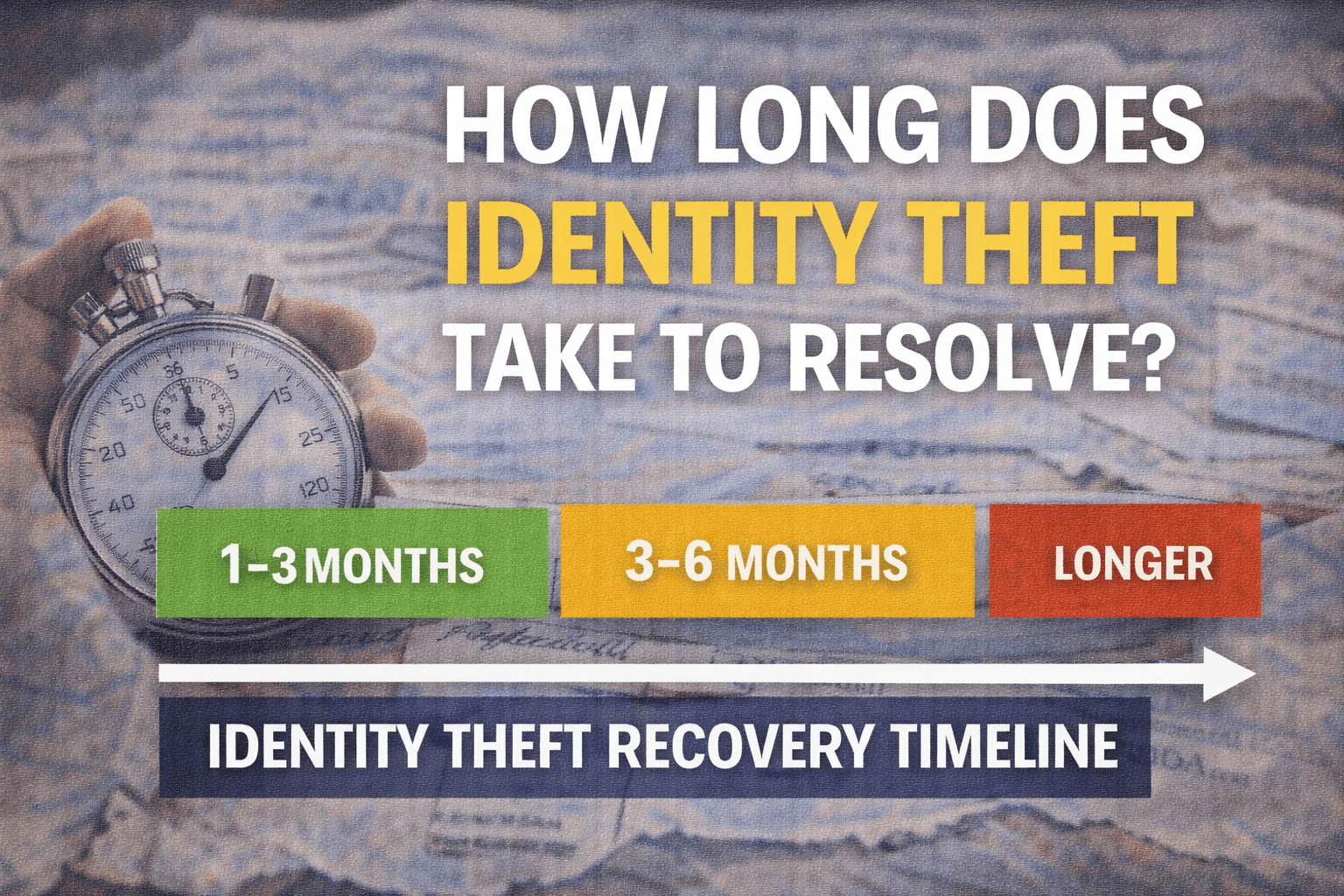
How long does identity theft take to resolve?
The honest answer is that identity theft recovery is not instant, but it is manageable with the right steps. For many people, identity theft is resolved in weeks to months, while more complex cases can take longer—especially when banks or credit bureaus fail to act properly.
Understanding the timeline helps set realistic expectations and prevents frustration during the recovery process.
The Short Answer: Identity Theft Recovery Timelines Vary
Identity theft resolution depends on several factors, including:
How quickly the fraud is discovered
How many accounts are affected
Whether bank funds were stolen
Whether credit reports were impacted
How banks and credit bureaus respond
Whether disputes are handled correctly
Some cases resolve quickly. Others require persistence—or legal intervention.
Typical Identity Theft Resolution Timeline
First Few Days (Immediate Response)
Within the first few days, most victims should:
Secure bank accounts and change passwords
Report fraud to banks and card issuers
File an identity theft report at IdentityTheft.gov
Place fraud alerts or credit freezes
Begin reviewing credit reports
These steps help stop additional damage.
30–45 Days (Initial Investigations)
Most banks and credit bureaus conduct investigations during this period.
Banks investigate unauthorized transactions
Credit bureaus investigate disputes
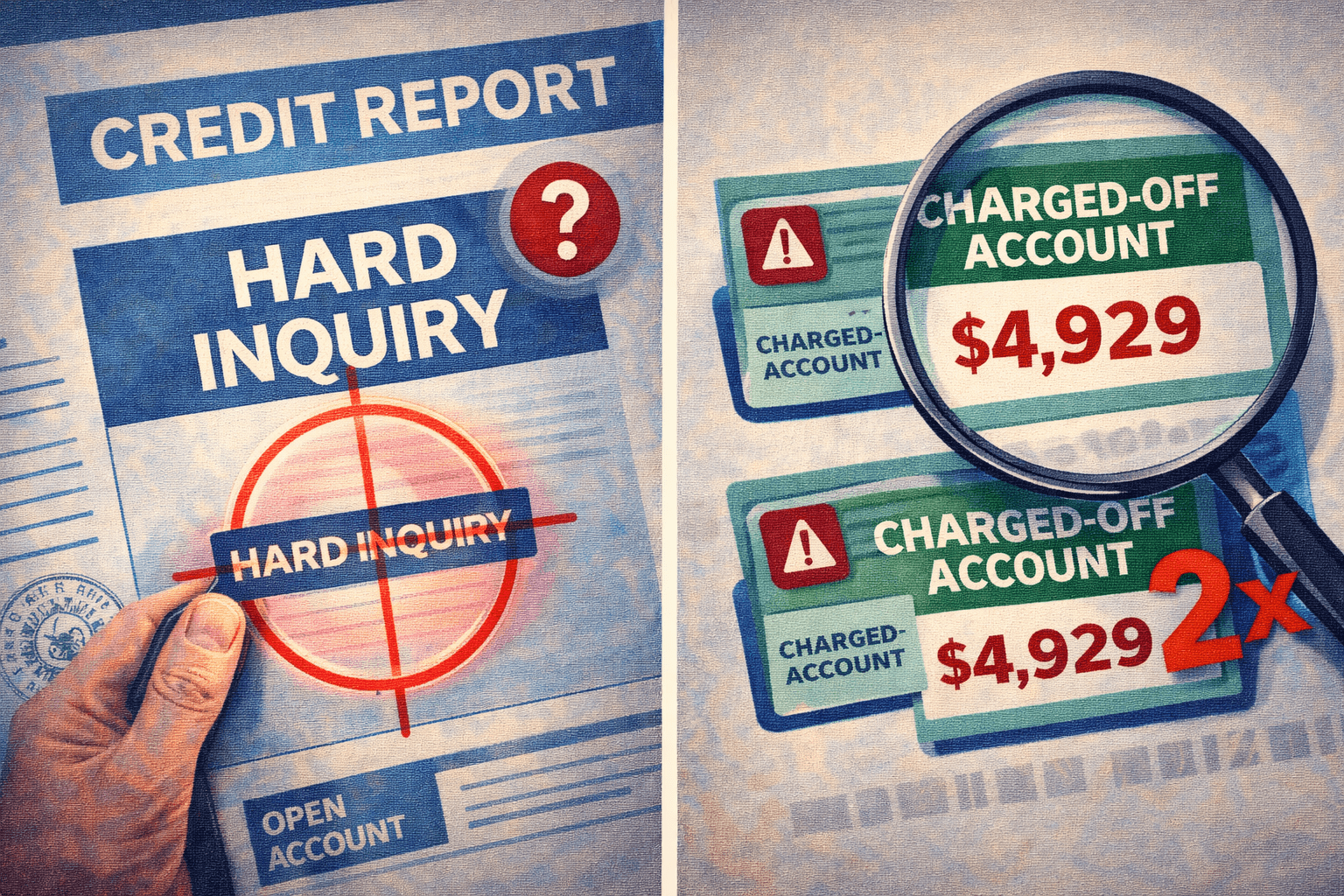
Fraudulent accounts may be removed
Temporary credits may be issued
Federal law generally gives credit bureaus 30 days to complete investigations.
2–3 Months (Corrections and Follow-Ups)
By this stage:
Many fraudulent accounts are corrected or removed
Credit reports begin improving
Remaining disputes may require follow-up
Some claims may be denied improperly
This is where many victims experience delays.
3–6 Months (Complex or Disputed Cases)
Cases take longer when:
Banks deny fraud claims
Credit bureaus “verify” fraudulent accounts
Multiple lenders are involved
Identity theft was extensive
Fraud continues reporting
At this stage, legal enforcement of consumer rights may be necessary.
Why Identity Theft Sometimes Takes So Long to Resolve
Identity theft resolution slows down when:
Banks rely on automated investigations
Credit bureaus ignore documentation
Fraud is repeatedly re-reported
Victims stop disputing after denials
Companies fail to follow federal law
Delays are often caused by process failures, not by the victim.
What Speeds Up Identity Theft Resolution
Identity theft is resolved faster when victims:
Act immediately after discovering fraud
Keep detailed records
Submit disputes in writing
File official identity theft affidavits
Follow up consistently
Escalate when rights are violated
Persistence matters.
When Identity Theft Resolution Requires Legal Help
Legal help often shortens the timeline when:
Fraudulent accounts remain after disputes
Banks refuse to refund stolen funds
Credit bureaus fail to investigate properly
Credit damage causes real financial harm
Under federal law, consumers may be entitled to attorney’s fees, making legal help accessible even when losses seem modest.
Is Identity Theft Ever Truly “Finished”?
Once identity theft is resolved:
Fraudulent accounts are removed
Credit reports are corrected
Bank losses are reimbursed
Monitoring continues
Most victims reach a point where identity theft no longer affects their credit or finances, even if they continue monitoring for safety.
Final Answer: How Long Does Identity Theft Take to Resolve?
For many people, identity theft is resolved in 1–3 months.
More complex cases may take 3–6 months or longer, especially when banks or credit bureaus resist correcting errors.
The key takeaway: identity theft does get resolved, but it requires action, follow-up, and enforcement of your rights.
If banks or credit bureaus delay or mishandle your case, The Credit Attorney helps consumers accelerate resolution and hold companies accountable under federal law.