One of the first questions identity theft victims ask is simple but urgent:
Can identity theft be fixed?
The short answer is yes — identity theft can be fixed.
But the longer answer is that recovery depends on how quickly you act, how widespread the fraud is, and whether banks and credit bureaus follow the law.
Millions of consumers successfully recover from identity theft every year. The key is understanding what “fixed” actually means and what steps are required.
What Does “Fixing” Identity Theft Mean?
Fixing identity theft does not mean pretending it never happened. It means:
Fraudulent bank transactions are reversed or reimbursed
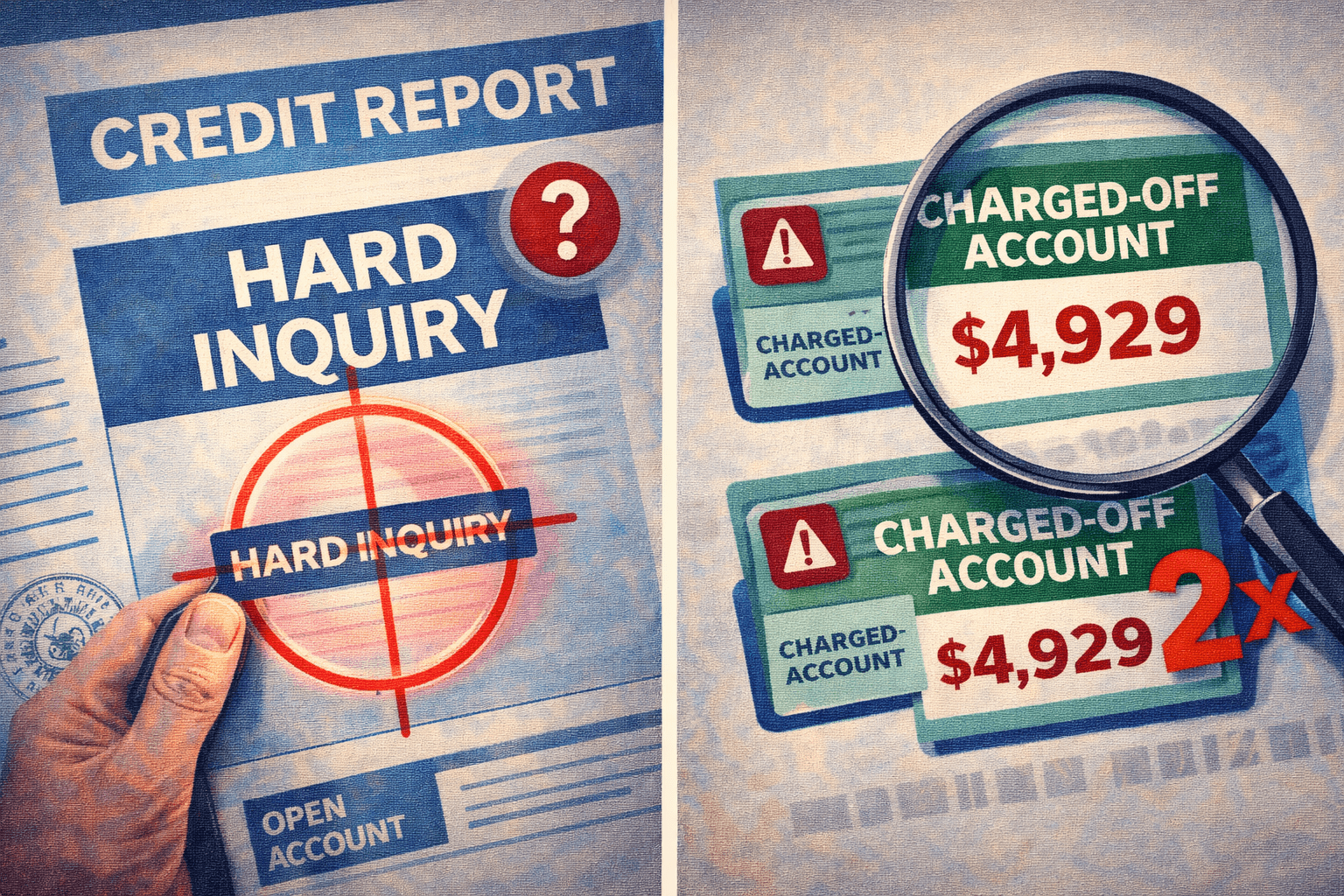
Fraudulent accounts are removed from your credit report
Credit scores are restored
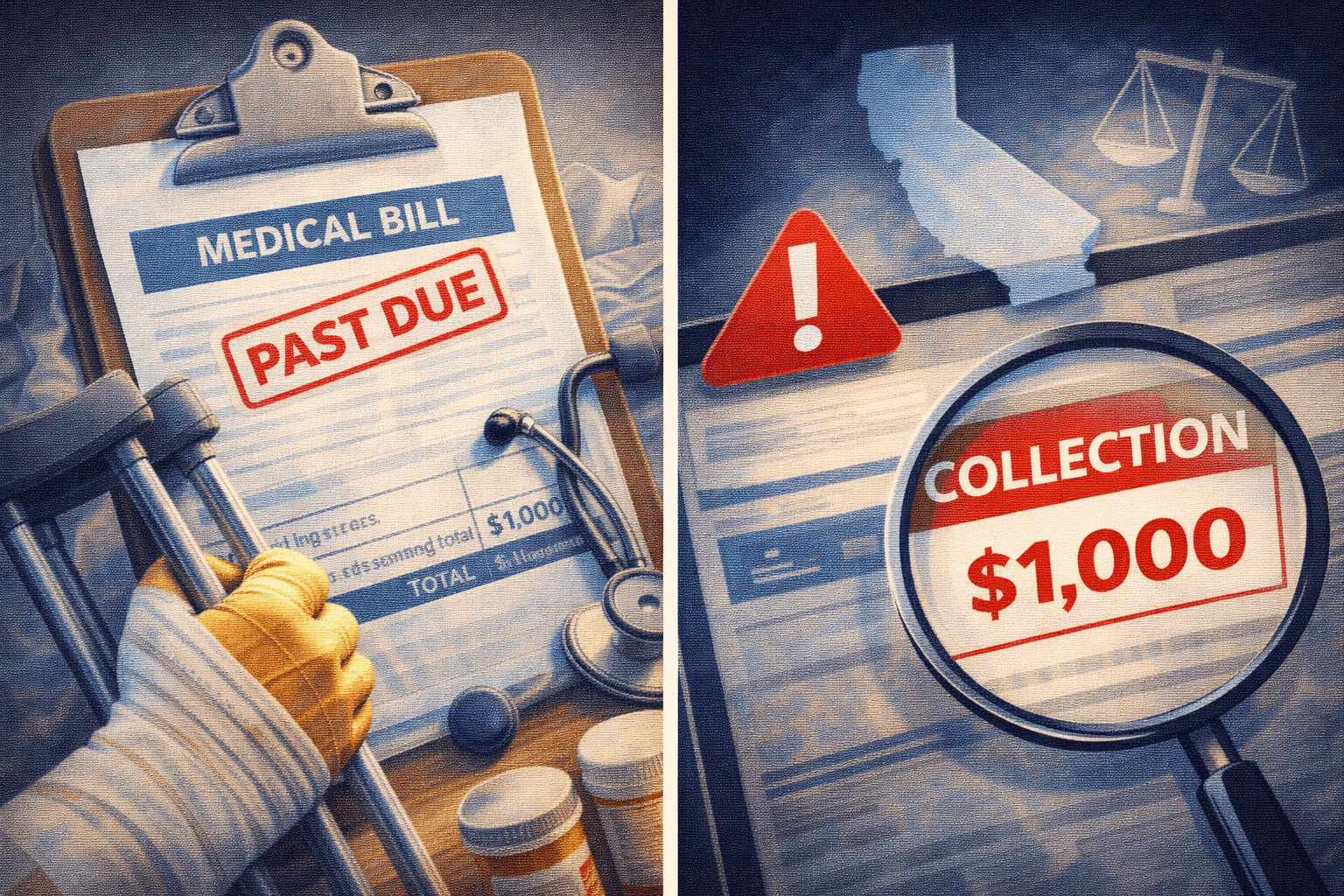
Collections tied to fraud are deleted
Your identity is secured against future misuse
When handled correctly, identity theft does not have to cause permanent damage.
What Can Be Fully Fixed After Identity Theft
In most cases, the following issues can be corrected:
Unauthorized bank withdrawals
Fraudulent credit cards
Loans opened in your name
Fraud-related late payments
Collections caused by identity theft
Charge-offs tied to fraudulent accounts
Incorrect credit reporting
Federal consumer protection laws exist specifically to make this possible.
Why Some Identity Theft Cases Take Longer to Fix
Identity theft is fixable — but not always quickly.
Delays usually happen when:
Fraud is discovered late
Multiple banks or lenders are involved
Credit bureaus “verify” fraudulent accounts incorrectly
Banks deny fraud claims without investigation
Documentation is incomplete or ignored
The longer fraud remains on your credit report, the more damage it can cause — which is why early action matters.
What Laws Protect Identity Theft Victims
Several federal laws make identity theft fixable:
Fair Credit Reporting Act (FCRA) – governs credit reporting accuracy
Electronic Fund Transfer Act (EFTA) – covers unauthorized bank transactions
Identity Theft and Assumption Deterrence Act – criminalizes identity theft
Under these laws:
Banks must investigate unauthorized transactions
Credit bureaus must remove inaccurate information
Consumers are not automatically liable for fraud
Companies can be held legally accountable
If these laws are violated, victims may have legal remedies.
What Steps Are Required to Fix Identity Theft
Most successful recoveries follow the same core steps:
Report identity theft at IdentityTheft.gov
Secure bank accounts and change credentials
Place fraud alerts or credit freezes
Review all credit reports carefully
Dispute fraudulent accounts and inquiries
Monitor reports for continued reporting
Documentation and persistence are critical.
Can Your Credit Score Recover After Identity Theft?
Yes. Credit scores damaged by identity theft can recover once fraudulent information is removed.
Recovery depends on:
How much the score dropped
How long fraudulent accounts reported
Whether disputes were handled correctly
Once fraud is removed, credit scores often rebound significantly — sometimes fully.
When Identity Theft Is Harder to Fix
Identity theft becomes harder to fix when:
Banks refuse to reverse fraud
Credit bureaus repeatedly “verify” errors
Identity theft continues over time
Multiple fraudulent accounts exist
Victims stop disputing after denials
This is when legal help may be necessary.
When Legal Help Makes Identity Theft Easier to Fix
Legal help is often useful when:
Fraudulent accounts won’t come off your credit report
Banks deny legitimate fraud claims
Credit bureaus ignore identity theft affidavits
Credit damage causes loan or housing denials
In many cases, the law requires the bank or credit bureau to pay attorney fees, making help accessible.
Final Answer: Can Identity Theft Be Fixed?
Yes — identity theft can be fixed, and in most cases, fully resolved.
The process may take time, but with the right steps and enforcement of your rights, identity theft does not have to permanently affect your finances or credit.
If banks or credit bureaus refuse to correct identity theft damage, The Credit Attorney helps consumers restore their credit and hold companies accountable when the law is violated.